花紅柳緑
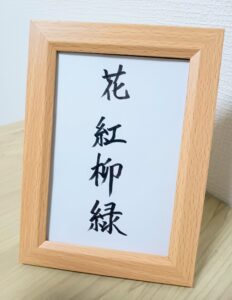
この禅語の意味は、自然のままの美しさのことです。春の美しい景色を表現しています。
中国の宋代の詩人、蘇軾の詩を引用しています。
“hana-wa-kurenai-yanagi-wa-midori”
The meaning of this Zen word is the beauty of nature in its natural state.
It expresses the beautiful scenery of spring.
It is a quote from a poem by Soshoku, a Chinese poet of the Song Dynasty.
scenery:風景、景色
quote:引用
Song Dynasty:宋代
喫茶去
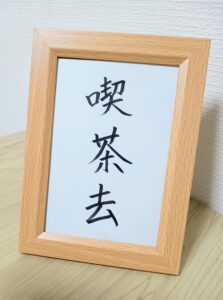
「まぁお茶でも飲みなさい」という意味です。
堅苦しいことや難しいことはひとまず置いといて、リラックスしてお茶を飲んでください、というニュアンスになります。
“Kissako.”
”Kissako” means “Well, have a cup of tea.”
The nuance is that you should relax and have a cup of tea, putting aside the formalities and difficulties for the time being.
put aside:脇へやる
formality:堅苦しさ

一期一会
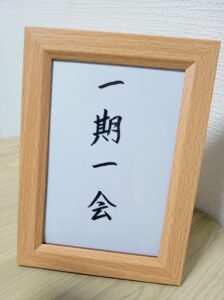
「一生に一度の機会」という意味です。
お茶会は、たとえ以前と同じ人が集まったとしても、その以前の人が目の前に現れたのではありません。今のその人が現れているのです。
お茶会に臨む際には、常に一生に一度の出会いなのだ、という意味が込められています。
“Ichi-go-ichi-e.”
It means “once-in-a-lifetime opportunity.
Even if the same people gather for a tea ceremony as before, it does not mean that the people from before have appeared in front of you. It is the present person who is appearing.
The meaning is that when you attend a tea ceremony, it is always a once-in-a-lifetime encounter.
attend :出席する
日々是好日
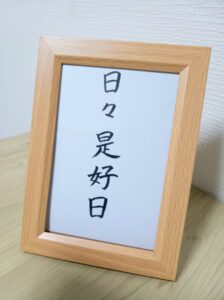
一日いちにちが良い日である、という意味です。
理想的な日もあれば、そうでない日もあります。
しかし、それらを含めて毎日を大切に過ごすように心がければ、しっかりとその一日を受け止めることが出来ます。
“Nichi-nichi-kore-kounichi.”
It means that each day is a good day.
Some days are ideal, and some days are not.
Some days are ideal, some days are not, but if we try to make the most of each day, including those days, we will be able to take in the day.
ideal:理想的な
執筆者:山本和華子
【I have published a book. 】
It explains Japanese culture in both English and Japanese.
【本を出版しました】
山本和華子の書籍は、全国の書店から注文・購入が可能です。
日本文化は、ただ格式高いだけじゃないし、ただ綺麗なだけじゃない。
本書を読むことで、日本文化を多角的視点からとらえることができるようになります。
日本文化とは、一辺倒の歴史だけで語れるものではありません。
本書は日本文化の入門書であると共に、茶道や美術、刀剣や文学など、幅広いテーマを取り扱っています。
また、富山藩の売薬商人の歴史や、安楽庵策伝の茶人としての顔など、上級者向けの内容も書かれています。
そして、著者独自の視点で鋭く書かれた文章も一読の価値ありです。
【Youtubeはじめました】